Hot Wallet or Cold Storage? How Aussie Crypto Casino Players Can Stop Losing Sleep Over Their Winnings
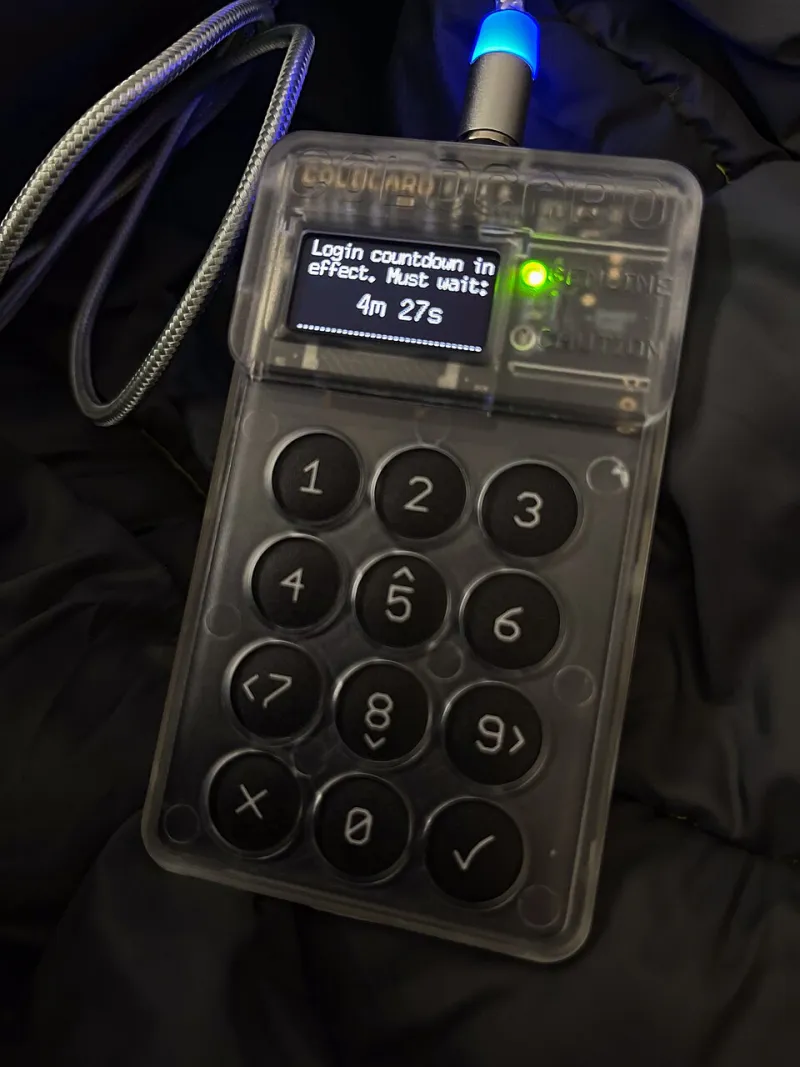
Photo: Tony Webster, CC BY 2.0, via Wikimedia Commons
There's a moment every serious crypto casino player eventually faces. You've had a solid session — maybe a decent run on Bitcoin slots or a blackjack streak that's left your balance looking healthier than it has in months. You withdraw to your exchange wallet, pat yourself on the back, and log off.
Then, a few days later, you try to move those funds and the exchange is... down. Not just slow. Down. Maintenance mode, regulatory freeze, or worse — permanently shuttered.
For Aussie players who've been in the crypto space for a while, this isn't a hypothetical. It's happened, more than once, and it's still happening. The question isn't whether to take security seriously. The question is how to do it without making your gaming life a logistical nightmare.
Why Exchanges Feel Like the Easy Option (and Why That's a Problem)
Leaving your crypto on an exchange is the path of least resistance. Your funds are right there, ready to deposit into a casino at a moment's notice. You don't have to think about seed phrases, hardware devices, or transaction fees every time you want to top up your balance.
But that convenience comes with a cost that's easy to ignore until it isn't.
Exchanges are custodial services. When your crypto sits on a platform like an Australian-registered exchange, you don't technically hold the private keys — they do. That's fine when everything runs smoothly. It becomes a serious problem when a platform experiences a liquidity crisis, a regulatory crackdown, a security breach, or just an unexplained outage that locks users out for days.
Australian players have felt this pain firsthand. Local and international exchanges operating in the Australian market have faced regulatory scrutiny, sudden service suspensions, and in some cases, complete shutdowns that left users scrambling. ASIC's increasing oversight of digital asset platforms means the regulatory environment is shifting, and not every exchange is going to survive the transition intact.
The brutal reality: if an exchange goes dark while your winnings are sitting there, your options are limited and your timeline is uncertain.
What Cold Storage Actually Means for Casino Players
Cold storage refers to keeping your private keys — and therefore your crypto — completely offline. A hardware wallet like a Ledger or Trezor is the most common approach. Your funds exist on the blockchain, but the keys required to move them are stored on a physical device that's never connected to the internet unless you plug it in yourself.
For casino players, the obvious downside is friction. Moving funds from a cold wallet to a casino involves connecting your device, authorising a transaction, waiting for blockchain confirmation, and potentially paying a network fee. That's fine if you're planning ahead. It's frustrating if you're trying to chase a session mid-evening.
But here's the thing: that friction is also the point. Cold storage is deliberately inconvenient because inconvenience is what keeps your funds safe. You can't accidentally expose your private keys to a phishing site. An exchange hack can't drain your wallet. A platform shutdown can't freeze your assets.
The trade-off is real, but for significant winnings, the inconvenience is worth it.
The Layered Approach: How to Actually Make This Work
The players who handle this well don't pick one option — they build a system with multiple layers.
Layer one: Your gaming wallet. This is a hot wallet or exchange account that holds only what you need for active play. Think of it like the cash in your pocket. You wouldn't carry your life savings to the pub, and you shouldn't keep your entire crypto stack on a platform you're using for casino deposits. Keep this topped up with amounts you're comfortable risking to platform risk, not just gambling risk.
Layer two: A mid-term holding wallet. A software wallet — something like MetaMask or Trust Wallet — that you control the keys to. This is a step up in security from an exchange without the full friction of cold storage. Winnings that you're not ready to lock away but don't need immediately can sit here. You hold the keys, so an exchange outage doesn't affect you.
Layer three: Cold storage for significant holdings. Anything you'd genuinely be gutted to lose should live on a hardware wallet. Set a personal threshold — maybe it's one BTC, maybe it's $5,000 AUD worth of ETH — and commit to moving funds there once you cross it. This is your vault, not your gaming bankroll.
The Seed Phrase Problem Aussie Players Keep Ignoring
No conversation about cold storage is complete without talking about seed phrases, and no conversation about seed phrases is complete without acknowledging that most people handle them badly.
Your seed phrase is the master key to your wallet. If you lose it, your funds are gone forever. If someone else gets it, your funds are gone instantly. And yet players routinely store seed phrases in screenshots, cloud notes, email drafts, or nowhere at all.
For Australian players, the practical advice is straightforward but requires some effort. Write your seed phrase on paper — multiple copies — and store them in physically separate, secure locations. A fireproof safe at home and a trusted secondary location is a reasonable minimum. Metal backup plates are available online for added durability. Do not store your seed phrase digitally, full stop.
This isn't paranoia. It's the same logic you'd apply to any irreplaceable document.
Timing Your Withdrawals Smartly
One underappreciated strategy is being deliberate about when you move funds off a casino platform and where they go immediately after.
After a winning session, withdraw to your software wallet first rather than directly to an exchange. This gives you immediate control of your private keys without adding the full friction of a cold storage transfer mid-session. From there, you can assess the amount and decide whether it warrants moving to your hardware wallet.
Also worth considering: the timing of exchange withdrawals during periods of market volatility or regulatory news. When there's uncertainty in the Australian crypto market — new ASIC announcements, global exchange drama, anything that might trigger unusual activity — it's worth moving funds off exchanges proactively rather than reactively.
The Tax Angle You Can't Ignore
For Australian players, there's another layer to this: the ATO's treatment of crypto. Every time you move crypto between wallets, withdraw from a casino, or convert between assets, there may be a taxable event depending on your specific situation. Cold storage transfers are generally not taxable in themselves, but the disposal of crypto — including converting winnings — can trigger capital gains obligations.
Keeping clean records of every transaction, including wallet addresses and timestamps, makes tax time significantly less painful. This is another reason a layered wallet system helps: it creates a cleaner audit trail than moving everything through a single exchange.
Bottom Line
The cold wallet dilemma isn't really a dilemma once you stop thinking of it as an either/or choice. The players who sleep well at night aren't the ones who've picked the most secure option — they're the ones who've built a system that matches their security needs to their actual playing habits.
Keep your gaming funds accessible. Keep your significant winnings offline and under your control. And never, under any circumstances, let an exchange hold more of your crypto than you'd be comfortable losing access to tomorrow.
Because exchanges do go dark. The question is whether your winnings go dark with them.